


Doctors
Necessitatibus eius consequatur ex aliquid fuga eum quidem sint consectetur velit

Consultant Dr. Nusrat Akhter
MBBS (DU), MCPS, MS (Gyne & Obs)Obstetrics & Gynecology, Infertility Specialist and Laparoscopic Surgeon Specialist
Doctor Schedule
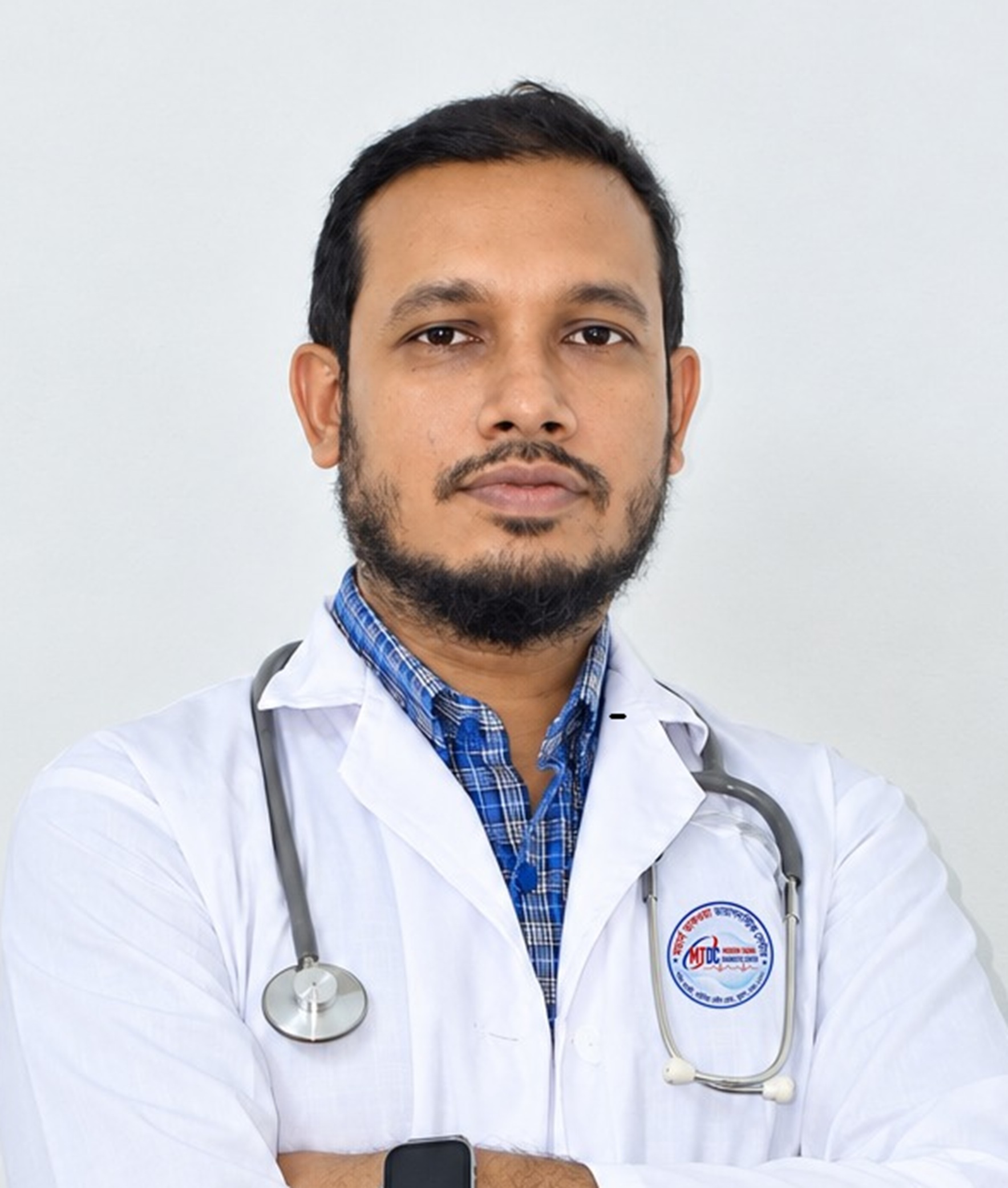
Professor Dr. Mir Md. Raihan
MBBS, DFM, FCPS (Part-1), CCD (BIRDEM), PGT (Ophthalmology).Bangladesh Road Transport Authority-approved physician. Experienced in medicine, ophthalmology and diabetes.
Doctor Schedule

Consultant Dr. Dhruba Jyoti Debnath
MBBS, FCPS (Part-2), Pediatrics Ex-MO, BMU; Ex-PG Hospital, Dhaka.Pediatrics Specialist
Doctor Schedule

Consultant Dr. Mohammad Suman
MBBS (RU), CCD (BIRDEM), CMU, PGT (Internal Medicine), CCVD (Ibrahim Cardiac Hospital).Physicianist
Doctor Schedule
Services


Reiciendis corporis
treating, and managing diseases of the gastrointestinal (GI) tract a... See More
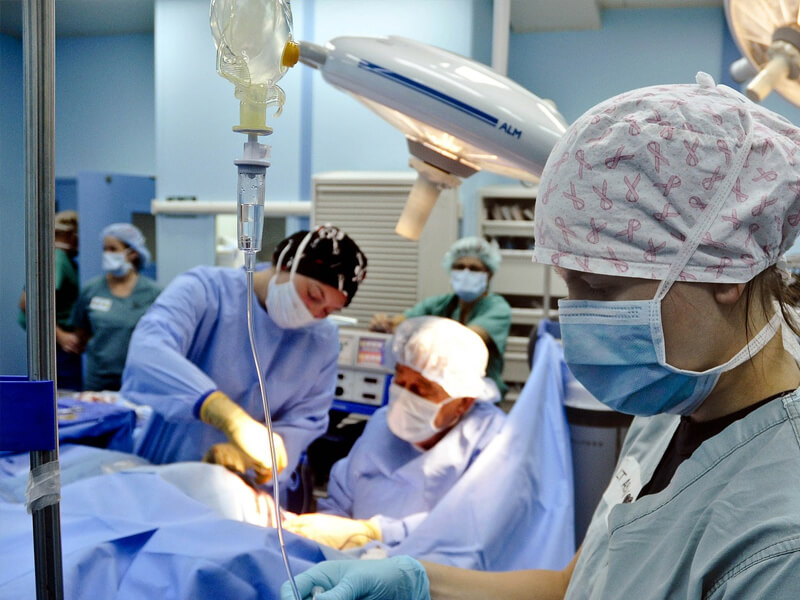
Error modi occaecat
Modern Taqwa Diagnostic Center is a private neighborhood health facility located at Sakib Market, Main Road Baunia Bazar... See More
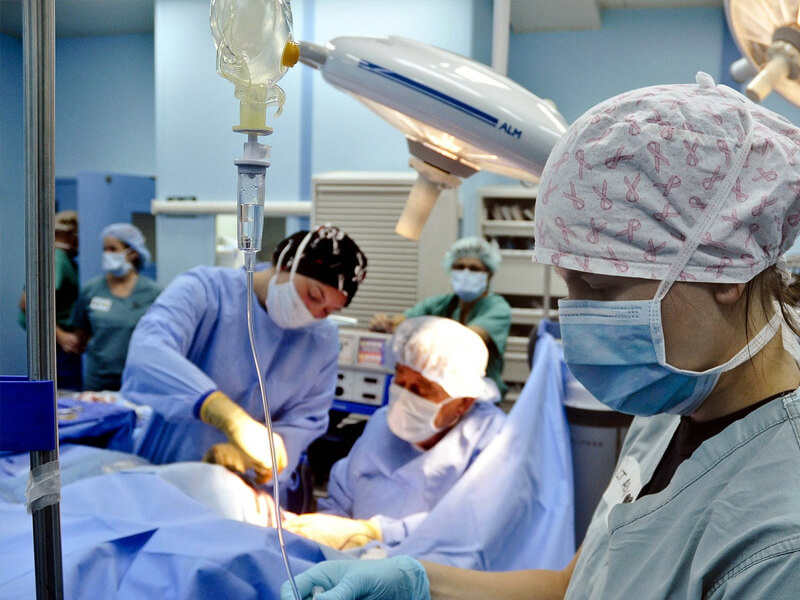

Et soluta architecto
According to the American Hospital Association (AHA), hospitals are licensed institutions with at least six beds whose p... See More

Departments
Medicine
Gastroenterology
Gastroenterology (from the Greek gastḗr- "belly", -énteron "intestine", and -logía "study of") is the branch of medicine focused on the digestive system and its disorders.[1] The digestive system consists of the gastrointestinal tract, sometimes referred to as the GI tract, which includes the esophagus, stomach, small intestine and large intestine as well as the accessory organs of digestion which include the pancreas, gallbladder, and liver.[2][3]
The digestive system functions to move material through the GI tract via peristalsis, break down that material via digestion, absorb nutrients for use throughout the body, and remove waste from the body via defecation.[3] Physicians who specialize in the medical specialty of gastroenterology are called gastroenterologists or sometimes GI doctors.
Some of the most common conditions managed by gastroenterologists include gastroesophageal reflux disease, gastrointestinal bleeding, irritable bowel syndrome, inflammatory bowel disease (IBD) which includes Crohn's disease and ulcerative colitis, peptic ulcer disease, gallbladder and biliary tract disease, hepatitis, pancreatitis, colitis, colon polyps and cancer, nutritional problems, and many more.[4]
E.NT
An ear, nose, and throat doctor (ENT) specializes in everything having to do with those parts of the body. They even perform operations. They're also called otolaryngologists. Some historians think ear doctors are the oldest medical specialties in the U.S. It started in the 1800s when doctors realized that a person's ears, nose, and throat had delicately connected systems that required special knowledge. What is the difference between an ENT and otolaryngologist? A nose doctor, throat doctor, ENT, and otolaryngologist are different names for the same type of specialist. These terms may be used interchangeably because they all mean the same thing. ENTs deal with anything that has to do with the head, neck, and ears in adults and children, including: ENTs must first get an undergraduate degree. It can be in any subject, but topics like biology or chemistry are useful for medical school. Next, they must attend medical school for 4 years, followed by a 5-year residency. During this program, they learn about otolaryngology from more experienced doctors.What Does an ENT Do?
Education and Training
Orthopedics
Orthopedic surgery or orthopedics (alternative spelling orthopaedics) is the branch of surgery concerned with conditions involving the musculoskeletal system.[1] Orthopedic surgeons use both surgical and nonsurgical means to treat musculoskeletal trauma, spine diseases, sports injuries, degenerative diseases, infections, tumors and congenital disorders. Nicolas Andry coined the word in French as orthopédie, derived from the Ancient Greek words ὀρθός orthos ("correct", "straight") and παιδίον paidion ("child"), and published Orthopedie (translated as Orthopædia: Or the Art of Correcting and Preventing Deformities in Children[2]) in 1741. The word was assimilated into English as orthopædics; the ligature æ was common in that era for ae in Greek- and Latin-based words. As the name implies, the discipline was initially developed with attention to children, but the correction of spinal and bone deformities in all stages of life eventually became the cornerstone of orthopedic practice.[citation needed] As with many words derived with the "æ" ligature, simplification to either "ae" or just "e" is common, especially in North America. In the US, the majority of college, university, and residency programmes, and even the American Academy of Orthopaedic Surgeons, still use the spelling with the digraph ae, though hospitals usually use the shortened form. Elsewhere, usage is not uniform; in Canada, both spellings are acceptable; "orthopaedics" is the normal spelling in the UK in line with other fields which retain "ae".Etymology
Differences in spelling
Pediatric
Pediatrics (American English), also spelled paediatrics (British English) and also known as underage medicine, is the branch of medicine that involves the medical care of infants, toddlers, children, adolescents, and young adults. Within the Commonwealth, pediatrics covers patients until the age of 18, except in India where the pediatric age is 12.[1][2] The American Academy of Pediatrics recommends people seek pediatric care through the age of 21, but some pediatric subspecialists continue to care for adults up to 26, depending on insurance coverage for young adults who reside with parents.[3][4] Worldwide age limits of pediatrics have been trending upward year after year.[5] A medical doctor who specializes in this area is known as a pediatrician, or paediatrician. The word pediatrics and its cognates mean "healer of children", derived from the two Greek words: παῖς (pais "child") and ἰατρός (iatros "doctor, healer"). Pediatricians work in clinics, research centers, universities, general hospitals and children's hospitals, including those who practice pediatric subspecialties (e.g. neonatology requires resources available in a NICU).
Gyne & Obs
Obstetrics and gynaecology (also spelled as obstetrics and gynecology; abbreviated as Obst and Gynae, O&G, OB-GYN and OB/GYN) is the medical specialty that encompasses the two subspecialties of obstetrics (covering pregnancy, childbirth, and the postpartum period) and gynaecology (covering the health of the female reproductive system – vagina, uterus, ovaries, and breasts). The specialization is an important part of care for women's health.
Postgraduate training programs for both fields are usually combined, preparing the practising obstetrician-gynecologist to be adept at the care of female reproductive organs' health and at the management of pregnancy, although many doctors go on to develop subspecialty interests in one field or the other.
Cardiology
Cardiology (from Ancient Greek καρδίᾱ (kardiā) 'heart' and -λογία (-logia) 'study') is the study of the heart. Cardiology is a branch of medicine that deals with disorders of the heart and the cardiovascular system, and it is a sub-specialty of internal medicine. The field includes medical diagnosis and treatment of congenital heart defects, coronary artery disease, heart failure, valvular heart disease, and electrophysiology. Physicians who specialize in this field of medicine are called cardiologists. Pediatric cardiologists are pediatricians who specialize in cardiology. Physicians who specialize in cardiac surgery are called cardiothoracic surgeons or cardiac surgeons, a specialty of general surgery. All cardiologists in the branch of medicine study the disorders of the heart, but the study of adult and child heart disorders each requires different training pathways. Therefore, an adult cardiologist (often simply called "cardiologist") is inadequately trained to take care of children, and pediatric cardiologists are not trained to treat adult heart disease. Surgical aspects outside of cardiac rhythm device implant are not included in cardiology and are in the domain of cardiothoracic surgery. For example, coronary artery bypass surgery (CABG) and surgical valve replacement are surgical procedures performed by surgeons, not cardiologists. Typically, a cardiologist would first identify who is in need of cardiac surgery and refer them to a cardiac surgeon for the procedure. However, an increasing number of structural interventions can be performed less invasively by cardiologists; these include coronary procedures such as cardiac catheterization and percutaneous coronary intervention; structural valve procedures such as transcatheter aortic valve implantation (TAVR) and MitraClip; and procedures for heart rhythm disorders such as pacemaker implantation, Implantable cardioverter-defibrillator (ICD) insertion, and ablation.Specializations
Physical medicine and rehabilitation
Physical medicine and rehabilitation (PM&R), also known as physiatry,[1] and outside the United States as physical and rehabilitation medicine (PRM), is a branch of medicine that aims to enhance and restore functional ability and quality of life to people with physical impairments or disabilities. Officially established in the United States in the mid-1900s, PM&R has played a major role in patient recovery following several major epidemics and both world wars. Common medical conditions treated by PM&R physicians include spinal cord injury, brain injury, musculoskeletal injury, stroke, pain, and spasticity from muscle, ligament, or nerve damage. PM&R physicians lead rehabilitation teams in inpatient and outpatient settings and are trained in medication management, electrodiagnosis, and targeted injections.[2] A physician having completed training in this field may be referred to as a physiatrist. Physical medicine and rehabilitation encompasses a variety of settings and patient populations.[5] Physiatrists can also oversee patient care in subacute settings (Inpatient rehabilitation, LTAC, SNF). A major goal of Physiatry is to optimize function. Thus, the scope of the field is broad in terms of patient populations and conditions that are managed.[6] In hospital settings, physiatrists commonly treat patients who have had a spinal cord injury, stroke, traumatic brain injury, amputation, or other debilitating condition requiring acute rehabilitation care. In treating these patients, physiatrists lead a team of physical, occupational, and speech therapists, as well as nurses, psychologists, and social workers who work in tandem to facilitate patient care.[7] In the outpatient setting, physiatrists can see to the long-term care of patients with disabling conditions and management of the sequelae associated with those conditions. For example, a physiatrist could manage the bowel and bladder regimen for a SCI patient. In addition, patients can be evaluated and treated for muscle and joint injuries, pain syndromes, non-healing wounds, and other disabling conditions. Physiatrists are trained to perform injections into joints or muscle as a pain treatment option.[8] Physiatrists are also trained in ultrasound, nerve conduction studies, and electromyography.[9] Physical medicine in practice: Physiatrists aim to treat a wide array of diseases and disorders, and the field is continually growing. Problems with the musculoskeletal system and the central nervous system (brain and spinal cord) encompass the types of ailments patients will have.[10] Overall the treatment can be described as focusing on restoring body structure and function. However there are still goals to help the patient socially and psychologically, as these injuries or ailments often take a toll on the person. Commonly treated disorders include knee or hip pain, back pain, problems walking, nervous system disorders, weakness, or chronic pain in general. Other problems, such as cardiopulmonary conditions, bladder/bowel issues, arthritis, and pneumonia are all disorders the physiatrist aims to treat.Scope of the field
Medicine, Ophthalmology & Diabetes
adfadf
Physiotherapist
Physiotherapist
Sonology
Sonology
Dermatology, Venereology & Sexual Medicine
Dermatology, Venereology & Sexual Medicine Specialist
General Physician
General Physician
Gallery
Necessitatibus eius consequatur ex aliquid fuga eum quidem sint consectetur velit






About Us
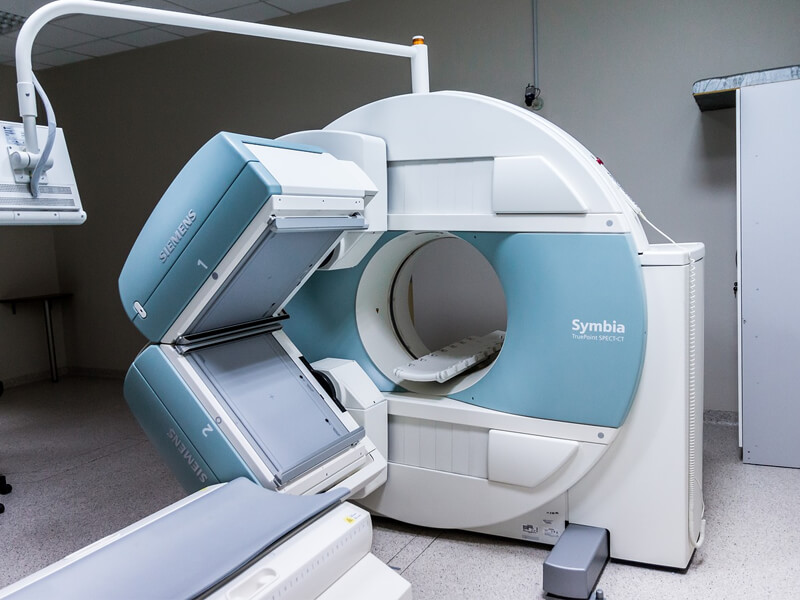
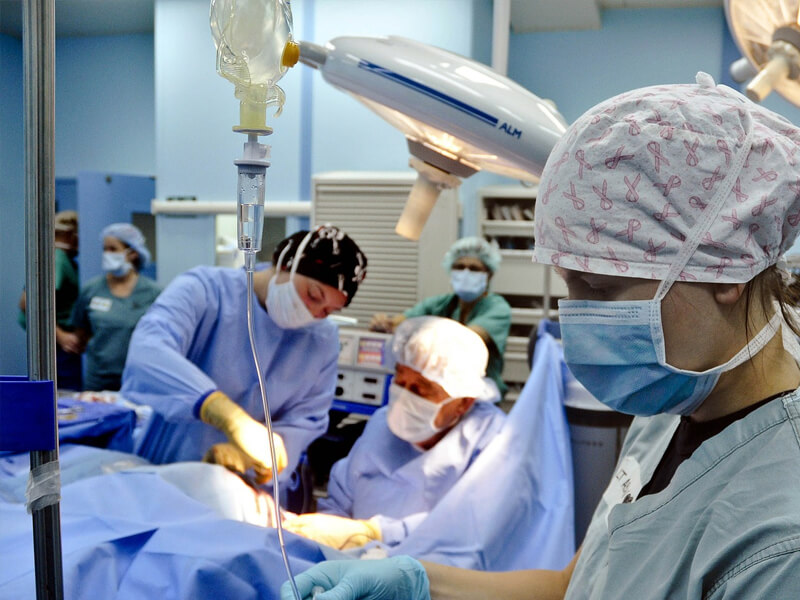
Modern Taqwa Diagnostic Center is a private neighborhood health facility located at Sakib Market, Main Road Baunia Bazar, Dhaka 1230, Bangladesh. Dedicated to providing local communities with accessible healthcare services, its operational motto promises accurate reports and reliable medical care ("নির্ভুল রিপোর্ট ও সঠিক চিকিৎসায় প্রতিজ্ঞাবদ্ধ"). [1] (https://www.google.com/searchviewer/10?svid=CAwSHRIbCgNwdnESFENnMHZaeTh4TVhvM1pqRnNkREZ4GAo)Key Information & LocationAddress: Sakib Market, Main Road Baunia Bazar, Dhaka 1230Operating Hours: Monday to Sunday, 7:00 AM – 11:00 PMPrimary Contact: +880 1601-355912 [1] (https://www.google.com/searchviewer/10?svid=CAwSHRIbCgNwdnESFENnMHZaeTh4TVhvM1pqRnNkREZ4GAo)Facilities & Expected ServicesWhile it operates primarily as a localized diagnostic center, setups of this nature in Dhaka generally provide fundamental medical imaging and clinical pathology requirements, including:Pathology Lab Tests: Routine blood tests (CBC, blood sugar, lipid profiles), urine tests, and hormone panels.Basic Medical Imaging: Digital X-Rays and Ultrasonography (USG).Cardiology Basics: Electrocardiograms (ECG).Doctor Consultations: Visiting general practitioners or outpatient specialists during evening chamber hours.
Contact
Necessitatibus eius consequatur ex aliquid fuga eum quidem sint consectetur velit
Location
A108 Adam Street, New York, NY 535022
Call Us
+1 5589 55488 55
Email Us
info@example.com